Kooja Luigh: A Handwritten Font for Modern Web Design and Digital Branding
Understanding Kooja Luigh's Visual Personality
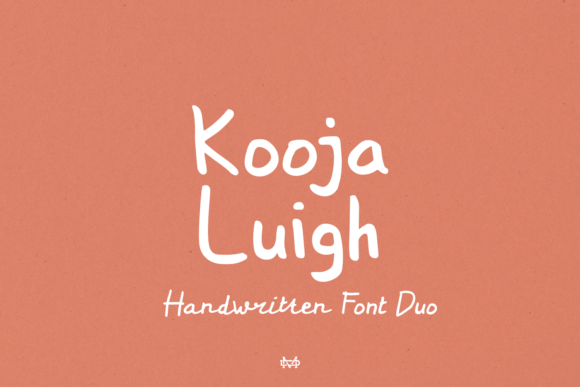
Kooja Luigh is a casual, handwritten script font that brings a natural, human touch to digital design. Unlike rigid sans serif or serif fonts, Kooja Luigh feels organic and expressive, making it ideal for brands that want to communicate warmth, creativity, and authenticity. With over 50 ligatures, it mimics real handwriting, avoiding the mechanical repetition that often makes digital text feel cold or artificial. This script font works especially well when you need to break away from standard web typography and inject a sense of personality into your layouts.
Using Kooja Luigh in Web Headers and Hero Sections
As a display font, Kooja Luigh shines in hero sections, landing page headlines, and brand headers. Its flowing strokes and casual rhythm draw attention without overwhelming the layout. When used in a website’s primary headline, it creates a strong first impression, especially for creative brands, lifestyle businesses, and personal brands. Pair it with a clean sans serif font for body text to maintain readability while preserving visual contrast.
For example, a coaching website using Kooja Luigh in the hero section instantly feels more approachable and personal. A product landing page can use it for call-out titles or feature highlights, helping key messages stand out above the fold.
Supporting Visual Hierarchy with Script Amp Design
Visual hierarchy is essential in web design, and Kooja Luigh helps establish a clear content structure when used strategically. Because it’s a script font, it’s best suited for short, impactful text like section headers, button labels, or logo text. Avoid using it for long paragraphs or dense body copy, where readability may suffer.
On portfolio sites or creative agency pages, Kooja Luigh works well in image overlays or quote banners, where it adds a decorative yet functional layer. Its ligatures help maintain a natural reading flow, even at larger font sizes, making it ideal for hero banners and social media graphics.
Enhancing Brand Tone with Handwritten Typography
In digital branding, tone matters. Kooja Luigh conveys a friendly, handmade aesthetic that aligns well with brands focused on creativity, wellness, or artisanal products. Whether you're designing a boutique online store, a personal blog, or a course sales page, this font helps reinforce your brand’s voice through visual language.
For logo design or brand kits, Kooja Luigh can serve as a signature element, especially when paired with a minimalist sans serif for supporting text. It also works well in packaging design mockups or branded email headers, where a touch of personality enhances recognition and trust.
Optimizing Readability on Digital Screens
While Kooja Luigh is visually engaging, it’s important to use it with readability in mind. On mobile screens, ensure adequate font size and spacing, especially when placing it over images or dark backgrounds. For buttons or short CTA phrases, test legibility in both light and dark modes to maintain accessibility.
When using Kooja Luigh in responsive layouts, consider how it scales across breakpoints. At smaller sizes, some of its ligatures may become less distinct, so it's best reserved for larger, more prominent text elements. Always pair it with highly legible fonts for secondary content to maintain a balanced reading experience.
Font Pairing for Web Design and Editorial Layouts
Successful digital design often relies on thoughtful font pairing. Kooja Luigh pairs beautifully with simple sans serif fonts like Montserrat, Open Sans, or Lato, which provide a clean contrast without competing for attention. For more editorial or magazine-style layouts, consider combining it with a serif font like Merriweather or Playfair Display to create a layered, typographically rich experience.
In a blog header or content section, using Kooja Luigh for the title and a serif or sans serif for the article body maintains visual flow while enhancing readability. In course landing pages or digital product sites, this combination helps guide users through content in a natural, intuitive way.
Practical Use Cases for Kooja Luigh
- Creative portfolios: Use Kooja Luigh in project titles or testimonial quotes to add a personal touch.
- Boutique online stores: Apply it in product banners or promotional graphics to highlight artisanal or handmade offerings.
- Coaching websites: Feature it in service descriptions or CTA buttons to convey approachability and trust.
- Course sales pages: Implement it in headline sections or feature highlights to capture attention and emotion.
- Digital brand kits: Include it as a signature font for logo design or branded content assets.
Checking Webfont Compatibility and Licensing
Before using Kooja Luigh in live web projects, verify that it includes webfont formats like WOFF, WOFF2, and EOT. Many modern fonts also offer variable font support, which improves performance by reducing file size. Check if the font includes alternates, multiple weights, and multilingual characters to ensure broad usability across different markets and languages.
Commercial font licensing is crucial when working with clients or building digital products. Ensure that Kooja Luigh is licensed for web use, online stores, landing pages, and digital templates. Some premium fonts require separate licenses for different usage types, so always review the terms before deployment.
Conclusion
Kooja Luigh is more than a decorative script font—it’s a versatile tool for web designers and digital creators looking to enhance brand expression and visual rhythm. Whether you're crafting a landing page, redesigning a portfolio, or developing a branded web experience, this handwritten font brings a human touch to your digital typography. Used thoughtfully, it supports readability, strengthens brand tone, and contributes to a more engaging user experience across devices and platforms.