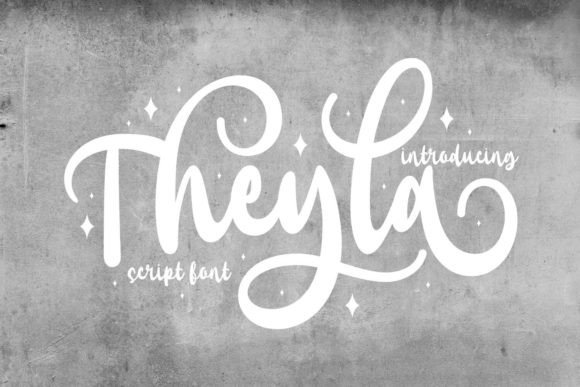
Theyla Font: Adding Dreamy Script Style to Business Branding
Last Tuesday, I sat at my desk surrounded by three different candle label prototypes, none of which felt quite right. The product was a new lavender and oat milk soy candle intended to evoke calm and luxury, but the typography on the test prints looked either too corporate or too messy. As a creative consultant helping small businesses refine their visual identity, I know that the difference between a hobbyist project and a premium brand often comes down to typeface selection. That afternoon, I decided to test Theyla, a sweet and dreamy script font that had been sitting in my design assets folder. The transformation was immediate. When applied to the curved surface of the amber glass jar, the lettering didn't just sit on top of the label; it felt like it belonged there. This experience reinforced a crucial lesson for entrepreneurs: the right font does more than spell out a name; it communicates the feeling of your business before a customer ever reads the details.
Elevating Product Packaging with Intentional Typography
In the world of handmade goods and boutique retail, packaging is your silent salesperson. When reviewing Theyla for real-world application, its value becomes apparent in how it handles the delicate balance between personality and professionalism. Many script fonts struggle at smaller sizes, becoming illegible blobs of ink when printed on 2x3 inch labels or hang tags. Theyla, however, maintains its graceful structure even when scaled down for ingredient lists or secondary branding elements. Its flowing lines suggest movement and care, which is exactly what customers look for when purchasing artisanal products like skincare, baked goods, or jewelry.
For business owners managing their own packaging design, readability must always trump decoration. During my testing phase, I found that Theyla works best as a display font for the primary product name or collection title rather than dense body copy. For example, using this typeface for "Lavender Oat Milk" creates an emotional hook, while pairing it with a clean sans serif font for the weight and burn time ensures regulatory compliance and customer clarity. This strategic use of typography helps establish a visual hierarchy that guides the eye naturally across the package, making the product feel organized and trustworthy.
Creating Consistency Across Digital and Print Touchpoints
A common pain point for growing small businesses is maintaining brand consistency across disparate platforms. A logo might look stunning on a website header but lose its charm when shrunk down for an Instagram profile picture or printed on a thank-you card. Theyla bridges this gap effectively because of its versatile character set and balanced proportions. In a recent rebranding project for a local café, we utilized this font not just for the main signage, but as a recurring motif across menus, social media templates, and staff aprons. The result was a cohesive brand identity that felt intentional rather than accidental.
When updating digital assets, consider how the font renders on mobile screens. Script fonts can sometimes appear thin or pixelated on lower-resolution displays, but Theyla’s stroke weight holds up well in digital formats. This makes it an excellent choice for:
- Social Media Graphics: Use it for quote overlays, sale announcements, or story highlights where you want to add a human touch without sacrificing legibility.
- Website Banners: Apply it to hero text or promotional bars to create warmth and invite users to explore further.
- Email Marketing: Incorporate it into headers or signature sign-offs to make automated communications feel personal and bespoke.
- Digital Ads: Utilize the font’s distinctive style to stop the scroll and differentiate your ad from generic competitor content.
Consistency builds recognition. When customers see that same dreamy script on your Etsy shop banner, your unboxing sticker, and your business card, they subconsciously register your business as established and reliable. It signals that you pay attention to details, which translates to trust in the quality of your actual products.
Practical Pairing Strategies for Non-Designers
You do not need a degree in graphic design to use Theyla effectively, but understanding basic font pairing principles will maximize its impact. Because Theyla has such a strong, decorative personality, it needs a supporting actor that provides stability. Think of it as the lead vocalist who needs a steady rhythm section. For most small business applications, a geometric sans serif or a classic serif font provides the perfect counterpoint. The contrast between the organic curves of the script and the structured lines of the supporting font creates visual interest and improves overall readability.
If you are designing a wedding invitation suite or a luxury service menu, try pairing Theyla with an elegant serif font. This combination leans into tradition and sophistication, perfect for photographers, florists, or event planners. Conversely, if you are branding a modern children’s clothing line or a playful bakery, a rounded sans serif partner keeps the aesthetic fresh and approachable. Avoid pairing Theyla with other highly decorative or handwritten fonts, as this creates visual competition and clutter. Let the script breathe by surrounding it with ample whitespace and simpler typographic elements. This restraint is often what separates amateur designs from polished, professional branding.
Licensing and Technical Considerations for Commercial Use
Before integrating any new typeface into your business workflow, it is vital to understand the technical and legal parameters. Fonts are software, and like any business tool, they come with usage rights. When sourcing Theyla through Script Amp or similar font marketplaces, always review the licensing agreement specifically for commercial use. Personal licenses typically cover hobby projects or student work, but if you are selling products, offering services, or creating marketing materials for a business, a commercial license is mandatory. This protects your business from legal issues and supports the type designer’s livelihood.
Beyond licensing, check the included file formats and features. For professional printing and high-quality digital output, ensure you have access to both OTF and TTF files. OpenType features are particularly valuable for script fonts like Theyla. Look for alternate characters, ligatures, and swashes that allow you to customize the lettering so it doesn't look identical to every other user of the font. These subtle variations enable you to tailor the typography to specific layouts, ensuring your logo or packaging title looks unique to your brand. Additionally, verify multilingual support if your business serves diverse communities or plans to expand internationally, as missing glyphs can disrupt the flow of non-English text.
Ultimately, selecting a font like Theyla is an investment in your brand’s perception. It transforms generic text into a visual asset that carries emotion and intention. Whether you are refreshing a menu, launching a new product line, or simply wanting your thank-you notes to feel more special, this typeface offers a blend of grace and functionality that serves real business needs. By approaching typography with the same strategic mindset you apply to product development and customer service, you create a brand experience that is memorable, consistent, and authentically yours.